
Summer Anxiety in Dogs and Cats: Signs, Triggers, and How to Help
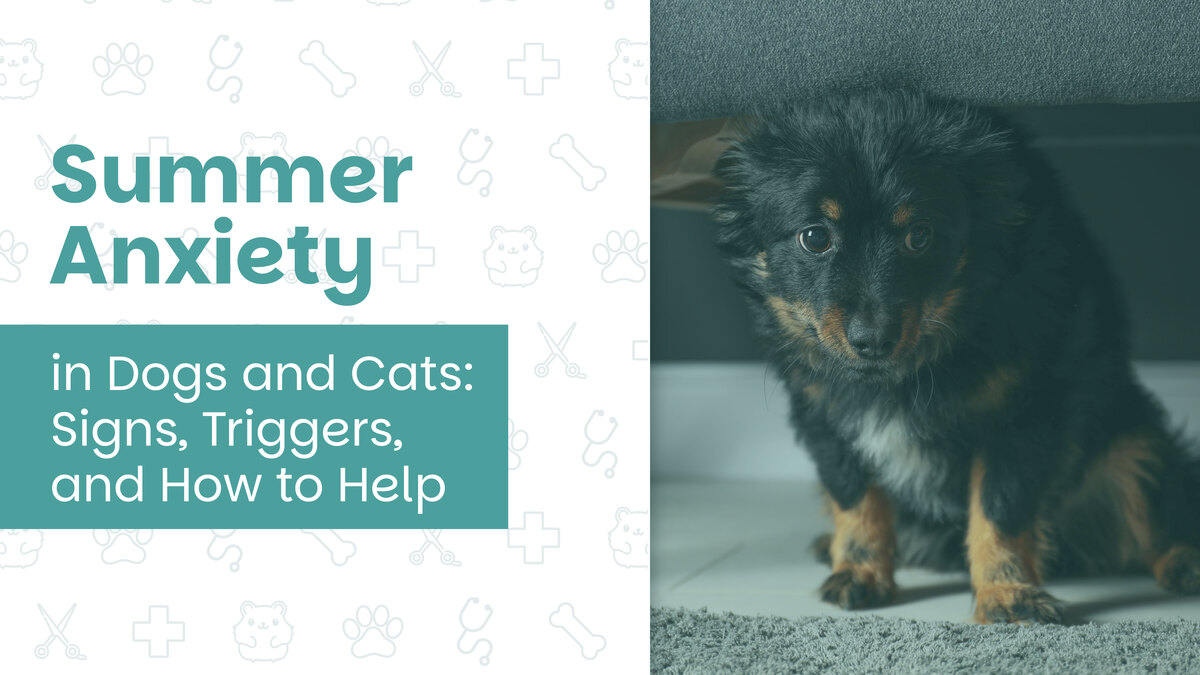
Summer brings a combination of anxiety triggers that many pet parents don't expect. Fireworks, thunderstorms, shifting schedules, travel, and increased household noise can all overwhelm dogs and cats who thrive on consistency.
Recognizing what's driving your pet's anxiety is the first step toward helping them stay calm and comfortable.
This article covers the most common summer stressors, practical strategies you can use at home, and when to reach out to your veterinary team for additional support.
5 Common Summer Anxiety Triggers for Dogs and Cats
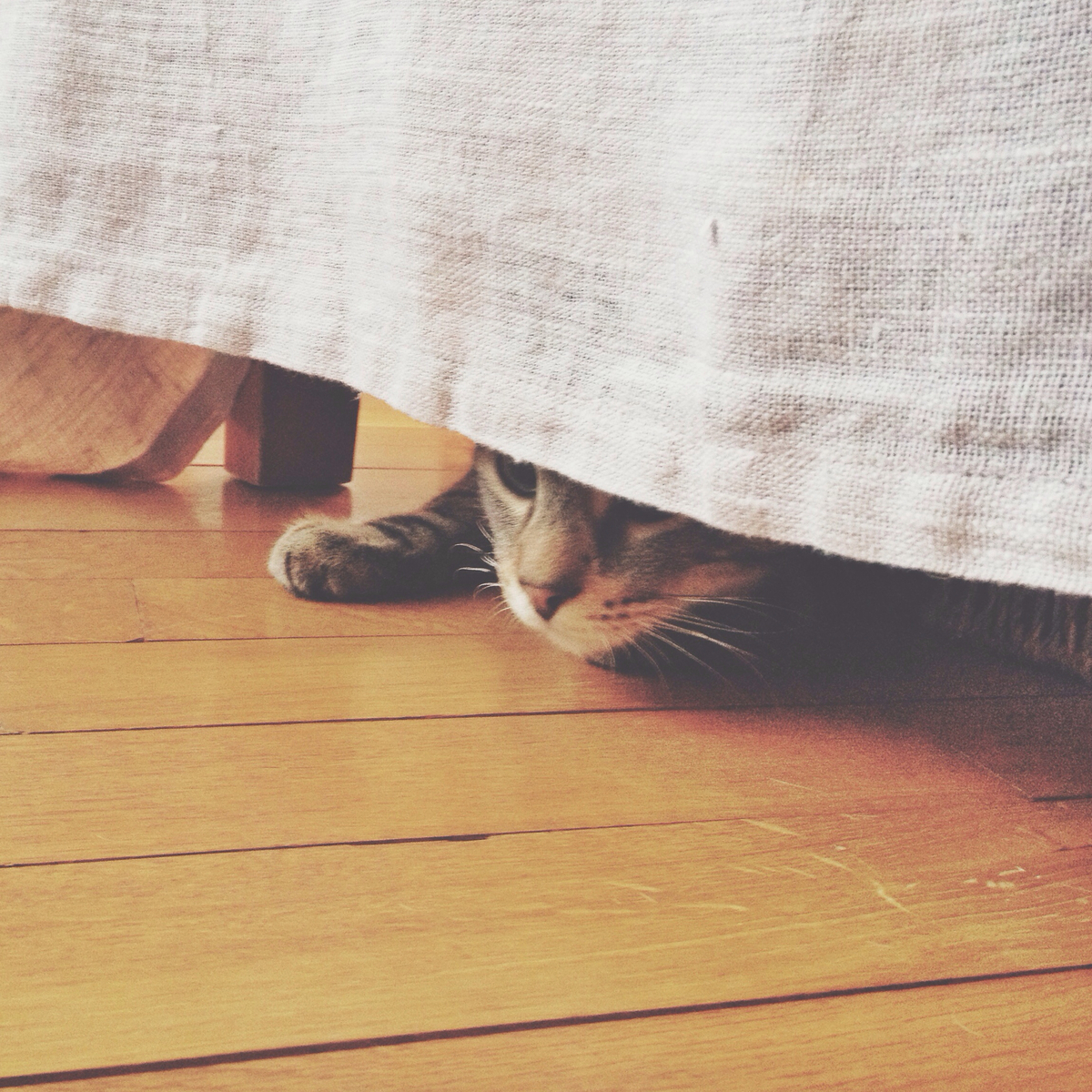
Anxiety looks different in every pet. Some dogs become restless and vocal. Some cats retreat. Understanding the specific trigger behind your pet's behavior helps you respond more effectively and build a plan that actually works.
1. Fireworks and Loud Celebrations
Fireworks are one of the most common sources of noise phobia in dogs and cats. The unpredictable timing, loud booms, and deep vibrations create intense fear responses that can last for hours.
Many pets begin showing signs of anxiety days before and after major holidays like the Fourth of July. Stress isn't limited to the night itself.
2. Thunderstorms and Severe Weather
Ohio's summer storm season brings frequent thunderstorms that can be deeply unsettling for pets. Dogs and cats may sense changes in barometric pressure, static electricity, and wind well before a storm arrives. This means anxiety often starts before the first clap of thunder.
Storm anxiety can also escalate with each new experience if left unaddressed, making future storms even harder for your pet to handle.
3. Changes in Routine and Household Activity
Summer schedules tend to disrupt the consistency pets rely on. Kids home from school, guests visiting, vacations, and irregular feeding or walking times all contribute to a less predictable environment.
Cats are especially sensitive to shifts in their daily patterns and surroundings. Even positive changes like more people in the house can create stress for pets who prefer quiet and structure.
4. Travel and Unfamiliar Environments
Car rides, boarding stays, and trips to new locations can be significant stressors for dogs and cats. Unfamiliar sights, sounds, and smells heighten anxiety, particularly for pets who haven't been gradually acclimated to travel. A pet who seems fine at home may react very differently in a new setting.
5. Heat and Overstimulation
Excessive heat and increased outdoor activity can contribute to restlessness and irritability in dogs. Pets who are overheated or overstimulated during outdoor events may display anxious behaviors like panting, pacing, or whining.
Cats often respond differently, becoming more withdrawn or hiding more frequently when the household gets louder and busier than usual.

4 Ways to Reduce Your Pet's Summer Anxiety
You don't need to overhaul your entire summer to help your pet. Small, consistent adjustments often make a meaningful difference. The key is starting before anxiety escalates rather than reacting once your pet is already overwhelmed.
1. Create a Safe, Quiet Space with Background Noise
Set up a comfortable retreat area your pet can access during stressful events. For dogs, this might be an interior room or a crate covered with a blanket. For cats, a favorite hiding spot in a quiet part of the house works well.
2. Maintain Consistent Routines
Keep feeding times, walks, and play sessions as regular as possible during summer schedule changes. Predictability helps pets stay grounded even when the household is busier than usual. If your routine does need to shift, make changes gradually rather than all at once.
3. Prepare for Fireworks and Storms in Advance
Exercise your dog earlier in the day before evening fireworks or forecasted storms. Close windows and blinds and have the safe space set up and ready before events begin. During anxiety episodes, stay calm and present.
Avoid over-comforting, which can reinforce fearful behavior. A steady, relaxed presence from you signals to your pet that there's no reason to panic.
4. Talk to Your Veterinarian About Additional Support
Some pets benefit from anxiety-relief products, calming supplements, or prescription medications during peak stress periods. These tools work best when paired with environmental and behavioral adjustments.
Our Care Companions can help determine the right level of support based on your pet's history and the severity of their anxiety.
When to Talk to Your Veterinarian About Anxiety
Anxiety is both a medical and behavioral concern that benefits from professional guidance. You don't need to manage it alone, and waiting too long can allow patterns to become deeply ingrained.
Fear-Free Care Makes Visits Easier for Anxious Pets
For pets who already struggle with anxiety, a stressful veterinary visit can make things worse.
Our Fear-Free approach at LSAC is built around calm handling, quiet exam environments, and patience. These techniques help anxious pets stay relaxed during their visit, which leads to more accurate assessments and better outcomes. A low-stress veterinary experience also makes future visits easier for both pets and their families.
How to Recognize When Anxiety Is Escalating
Anxiety can worsen over time if patterns go unaddressed. Watch for warning signs that your pet's stress is progressing beyond typical seasonal responses.
These include anxiety that lasts long after triggers have passed, new destructive behaviors, appetite changes that persist for more than a day or two, and anxiety responses expanding to triggers that didn't bother your pet before.
If you're noticing any of these patterns, reaching out to your veterinary team early gives your pet the best chance at relief before the anxiety becomes harder to manage.
Help Your Pet Enjoy Summer with Lebanon Small Animal Clinic
If your dog or cat has been showing signs of anxiety this summer, a wellness visit is a great place to start. Our Care Companions provide personalized guidance on anxiety management, behavioral support, and overall wellness care tailored to your pet's needs.
Schedule an appointment or ask about our PAWS Plans for affordable, year-round preventive care that keeps your pet supported through every season.
We treat every pet like family, because when pets thrive, families do too.