
Is Your Dog or Cat Protected from Heartworm? A Guide to Year-Round Prevention
Is Your Dog or Cat Protected from Heartworm? A Guide to Year-Round Prevention
April is Heartworm Awareness Month, and for pet families in Ohio, it's a timely reminder this disease is closer to home than many people realize. Heartworm affects thousands of pets each year, and the risk continues to grow across the Midwest.
Heartworm is often associated with warmer climates but changing weather patterns and increased pet travel have brought the threat into our own communities.
Whether your companion spends time outdoors or stays inside year-round, understanding how heartworm spreads and how to prevent it helps keep your family protected. Spring is also an ideal time to review your pet's prevention plan and schedule annual testing.
This guide covers how heartworm disease develops, why pets face increasing risk, and what you can do to keep your dog or cat protected throughout every season.
What Is Heartworm Disease and How Do Pets Get It?
Heartworm disease is caused by parasitic worms that live in the heart, lungs, and blood vessels of infected animals. Over time, these worms cause lasting damage to the heart and lungs, and without treatment, the disease can be fatal.
Mosquitoes are the only way heartworm spreads from one animal to another. The disease is not contagious between pets or from pets to people through direct contact.
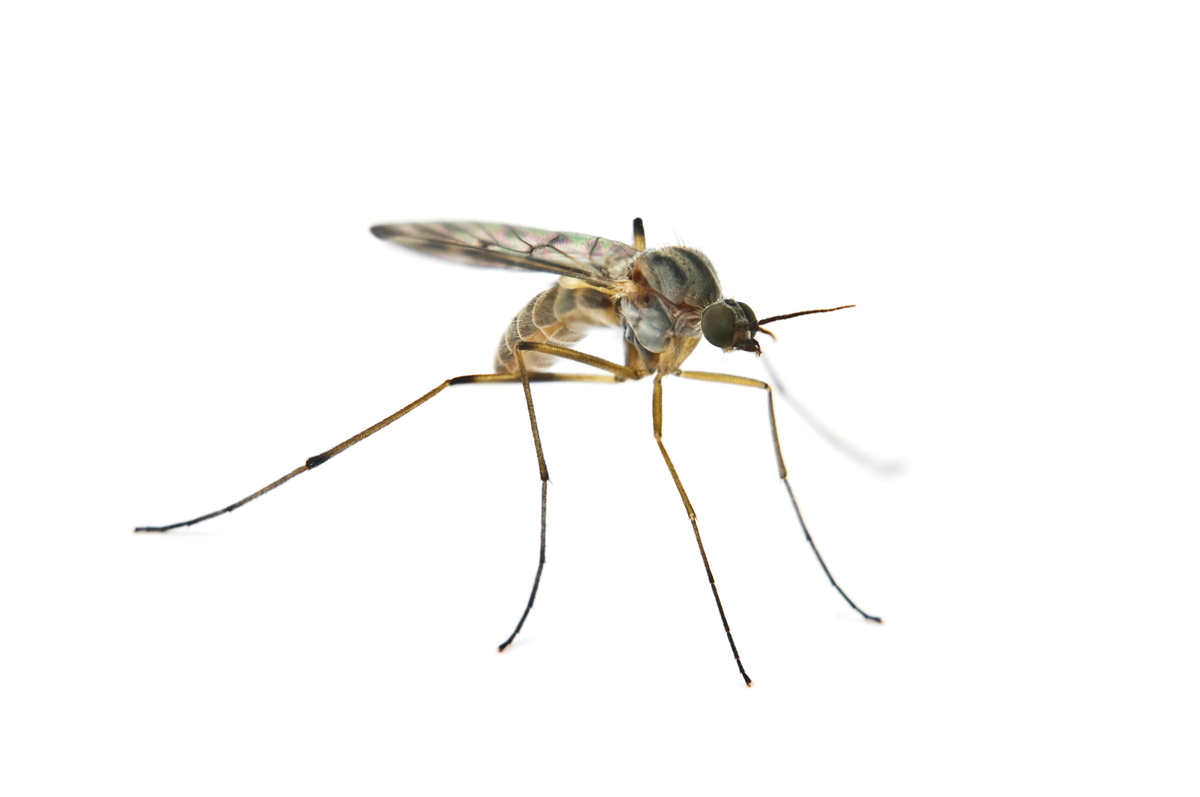
Mosquitoes Transmit Heartworm Through a Single Bite
The cycle begins when a mosquito bites an infected animal and picks up microscopic heartworm larvae. When that mosquito bites another pet, the larvae enter the bloodstream and begin to mature.
Over several months, the larvae develop into adult worms that settle in the heart and lungs, where they can live for years and cause serious damage.
It only takes one bite from an infected mosquito to start the process.
Dogs and Cats Are Both at Risk
Dogs are the most common hosts for heartworms, and infections can involve dozens of adult worms if left untreated. Symptoms in dogs often include coughing, fatigue, difficulty breathing, and reduced appetite.
Cats are infected less frequently, but heartworms are often harder to detect in felines and can cause sudden, severe illness. Even indoor cats face risk, since mosquitoes easily find their way inside through open doors, windows, and screens. For cats who never leave the house, prevention is still one of the best ways to avoid a diagnosis that's difficult to treat.
Why Heartworm Is a Growing Concern in Ohio
Heartworm was once considered a problem limited to southern and coastal states. That's no longer the case. Cases have risen steadily across Ohio in recent years, and local pet parents can no longer assume their pets are safe without consistent prevention.
Climate Changes Extend Mosquito Season
Warmer temperatures and milder winters allow mosquitoes to remain active longer than in past decades. Ohio's mosquito season now starts earlier in spring and stretches further into fall, expanding the window of exposure for unprotected pets.
Increased Pet Travel and Rescue Transport Spread Infection
Pets adopted from or traveling through heartworm-endemic areas contribute to rising local cases. As rescue transport brings animals from high-risk regions into Ohio communities, mosquitoes in the area can pick up and spread the infection to local pets. Even animals who never leave the neighborhood face greater exposure as heartworms become more common nearby.
Year-Round Prevention Offers the Best Protection
Monthly heartworm prevention is the safest, simplest way to protect your pet. Consistent, year-round coverage eliminates the guesswork and keeps your companion protected no matter what the weather does.
Seasonal Prevention Leaves Gaps in Protection
Stopping prevention during the cooler months may seem reasonable, but unpredictable weather patterns can bring unexpected warm spells that reactivate mosquito populations. A single missed month can create a gap wide enough for infection to take hold.
Prevention Is Safer and More Affordable Than Treatment
Heartworm treatment for dogs is lengthy, physically demanding, and costly. It requires months of restricted activity, multiple veterinary visits, and careful monitoring. Cats have no approved heartworm treatment, making prevention the only reliable option.
A simple monthly preventive is easier on your pet, easier on your schedule, and far more affordable than the alternative.
What to Expect During Heartworm Testing
Knowing what to expect helps take the uncertainty out of the process. Heartworm testing is quick, straightforward, and an essential part of your pet's annual wellness care.
Annual Testing Confirms Prevention Is Working
Even pets on consistent year-round prevention benefit from annual testing. A yearly test catches any gaps in protection early and confirms that your pet's preventive plan is doing its job. If an infection is detected, early diagnosis allows treatment to begin before serious damage occurs.
The Test Is Quick and Simple
Heartworm testing requires only a small blood sample. Results are typically available quickly, giving you and your veterinary team the information needed to guide the next steps in your pet's care.
Stress-Free Testing Options for Anxious Pets
Not every pet feels comfortable in a clinic setting, and that's okay. At Lebanon Small Animal Clinic, we offer options that meet pets where they're most at ease.
Home Visits Provide a Calmer Experience
For pets who experience significant anxiety during veterinary visits, we offer home visits for heartworm testing. Staying in a familiar environment helps anxious pets remain calm while still receiving the care they need. It's a small adjustment that can make a meaningful difference for sensitive animals and their families.
Fear-Free Techniques Support Comfort at Every Visit
Whether testing takes place at the clinic or at home, our Care Companions prioritize gentle handling and low-stress techniques at every step. Reducing fear and anxiety leads to better outcomes for pets and easier, more positive experiences for families.
Protect Your Pet with Lebanon Small Animal Clinic
Heartworm disease is preventable, and staying consistent with testing and prevention is one of the most important things you can do for your pet's long-term health.
April is an ideal time to confirm your prevention plan is current and schedule your pet's annual heartworm test.
Our Care Companions are here to help you choose the right prevention, answer questions about your pet's risk, and make every visit comfortable and calm.
Schedule an appointment or ask about our PAWS Plans for affordable, year-round wellness coverage that includes annual testing and preventive care.