Exotic Pet Care Guide for Rabbits, Reptiles, Birds, and Pocket Pets
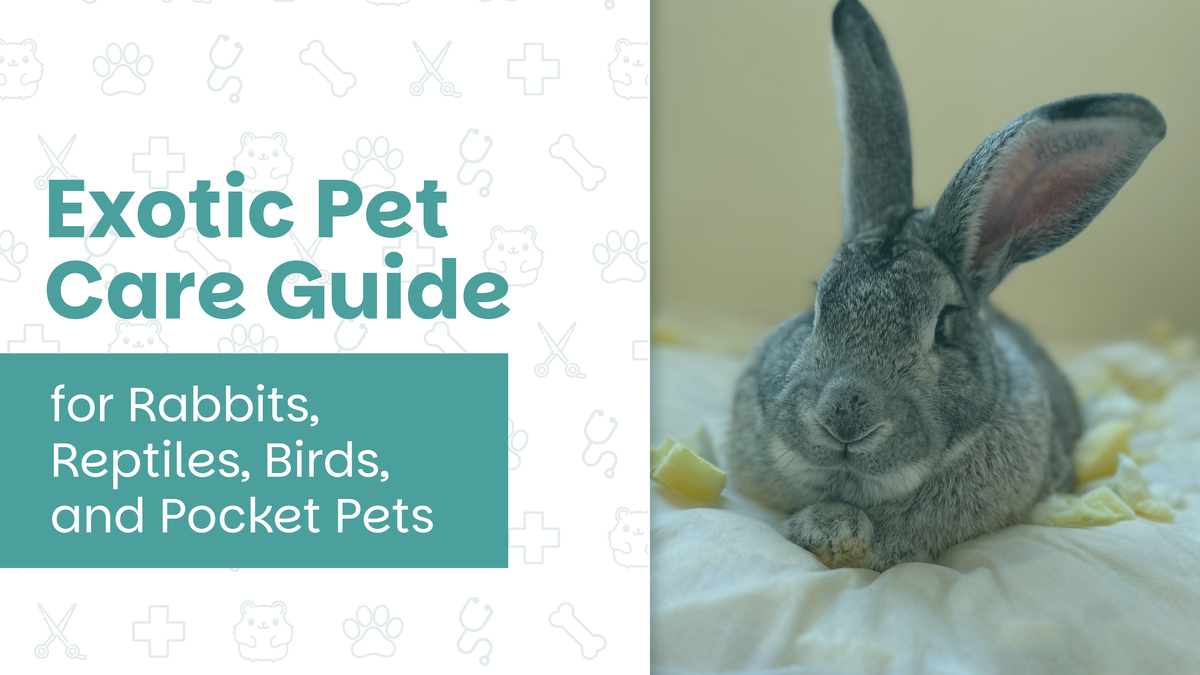
Exotic pets are wonderful companions, but caring for them isn’t the same as caring for a cat or dog. Small details in their diet, habitat, and handling have a big impact on their health.
Good care also depends on having the right veterinary support. Exotic pets are often underserved in the veterinary world, so finding a team experienced with these species makes a difference in their health.
This article walks you through the basics of caring for exotic pets and how our team helps them live long, healthy lives.
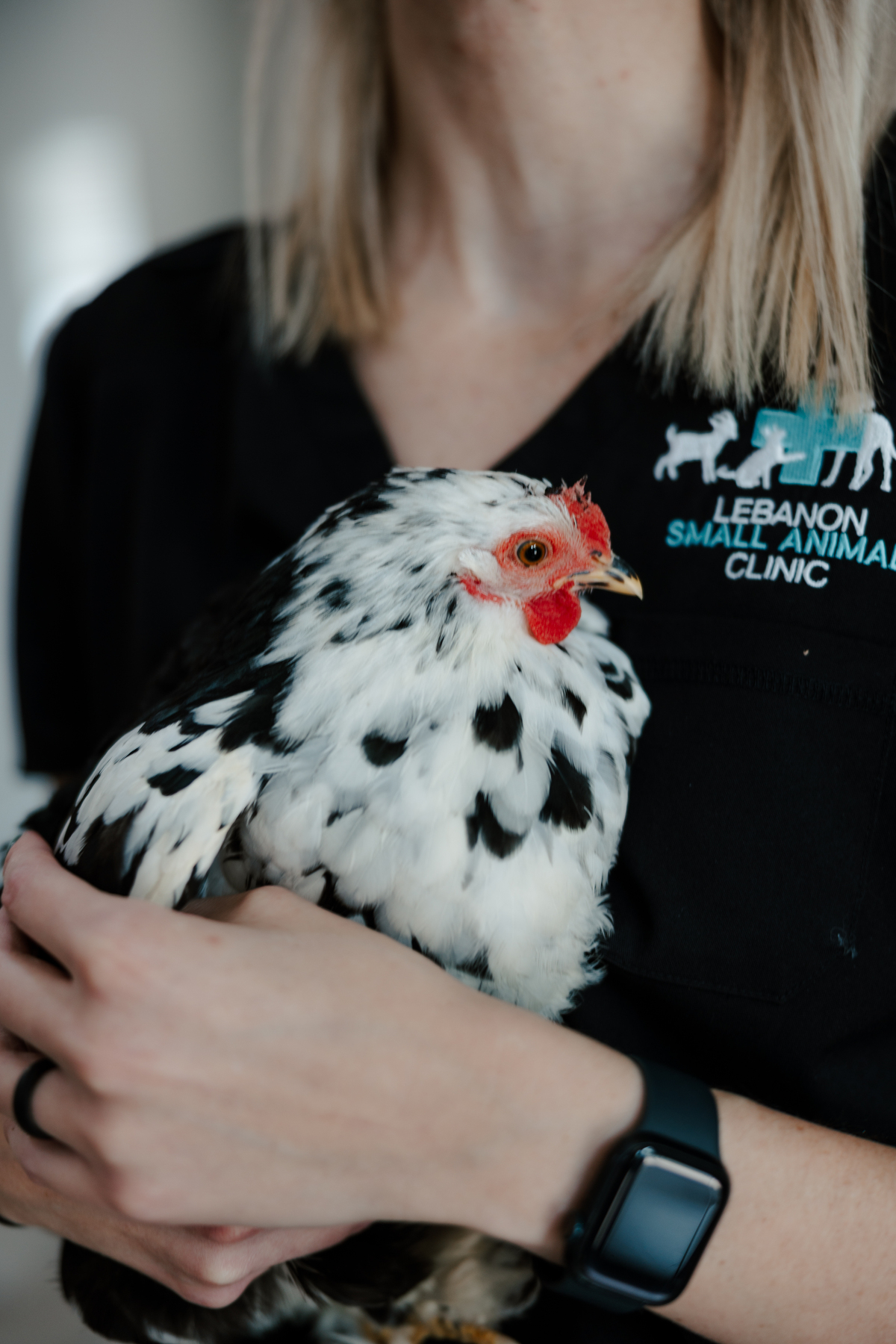
Why Exotic Pets Need Specialized Care
Exotic pets are not simply smaller versions of cats and dogs. Their unique biology shapes everything about how they should be cared for and understanding that difference is the foundation of keeping them healthy.
Many Exotics are Prey Species That Hide Illness
Many exotic pets are prey species, which means they instinctively mask signs of illness until a problem becomes advanced.
In the wild, showing weakness makes an animal a target, so your rabbit or bird may act perfectly normal until they're quite sick. By the time symptoms are obvious, the condition is often serious. This is exactly why regular veterinary care matters so much for these pets.
Habitat and Diet are Common Sources of Health Issues
Improper diet, lighting, or habitat conditions are among the most common causes of health problems in exotic pets.
For instance, a reptile without the right UVB lighting can develop metabolic bone disease. Rabbits, on the other hand, develop dental and digestive trouble when their diet has too many pellets and not enough hay.
A veterinarian experienced with exotics can spot subtle issues early and provide guidance tailored to the specific species.
Care Basics for 4 Types of Small Companion Exotics
Each species group has its own diet, habitat, and enrichment needs. Understanding the fundamentals helps you create a healthy environment at home and recognize when something isn't right.
1. Rabbits
Rabbits are social, intelligent animals that can live 8 to 12 years with proper care. Their needs are often underestimated by new owners.
- Diet: Build their meals around unlimited grass hay, with fresh leafy greens and a limited number of pellets.
- Dental health: Their teeth grow continuously, so safe chew items are essential, and dental problems are worth monitoring closely.
- Space and enrichment: Provide plenty of room to move and hop, along with daily interaction to keep them mentally engaged.
2. Reptiles
Reptiles vary widely from one species to the next, and habitat setup is one of the most common sources of preventable health problems.
- Temperature and lighting: Most reptiles need a proper heat gradient and species-appropriate UVB lighting to digest food and stay healthy.
- Humidity: Requirements differ by species, and incorrect humidity can lead to issues like stuck shed or respiratory problems.
- Diet: Food needs vary widely and may include insects, leafy greens, or whole prey depending on the species.
3. Birds
Birds are intelligent, social, and often long-lived, with some species reaching several decades. Their care reflects that complexity.
- Diet: A varied diet of pellets, fresh vegetables, and limited fruit supports better health than seed alone.
- Enrichment: Birds need mental stimulation, social interaction, and space to move and fly.
- Air quality: They are highly sensitive to airborne toxins like smoke, aerosols, and fumes from nonstick cookware.

4. Pocket Pets
Pocket pets include guinea pigs, hamsters, gerbils, rats, and ferrets, and each has distinct needs. Their small size means health changes can progress quickly and require prompt attention.
- Species-specific diets: Guinea pigs need dietary vitamin C since they cannot produce it on their own, while other pocket pets have their own nutritional requirements.
- Habitat: Appropriate cage size, safe bedding, and regular cleaning support both physical and mental health.
- Enrichment: Wheels, tunnels, and chew items keep these active animals stimulated and content.
5 Signs Your Exotic Pet May Be Sick
Because exotic pets hide illness so well, subtle changes often carry more weight than they would in a dog or cat. Contact your veterinarian if you notice any of the following.
1. Changes in Appetite or Droppings
Eating less or refusing food is a serious warning sign in most exotic species. Changes in the amount, size, or consistency of droppings can also signal a problem. For many exotics, a day without eating is cause for concern rather than something to wait out.
2. Lethargy or Hiding More Than Usual
Reduced activity, weakness, or spending more time hidden away can indicate illness. A pet who stops engaging with its environment, ignores food, or seems unusually still needs attention.
3. Changes in Breathing
Labored breathing, open-mouth breathing, wheezing, or tail bobbing in birds are urgent concerns. Respiratory issues can escalate quickly in small animals, so these symptoms warrant prompt veterinary care.
4. Changes in Appearance
Ruffled feathers, a dull coat, swelling, lumps, or discharge from the eyes or nose all warrant a visit. Overgrown teeth or beak issues are common in rabbits and pocket pets and can interfere with eating if left unaddressed.
5. Unusual Behavior
Head tilting, loss of balance, repeated scratching, or changes in temperament can all point to health concerns. You know your pet's normal patterns better than anyone, so trust your instincts if something seems off.
How LSAC Cares for Exotic Pets
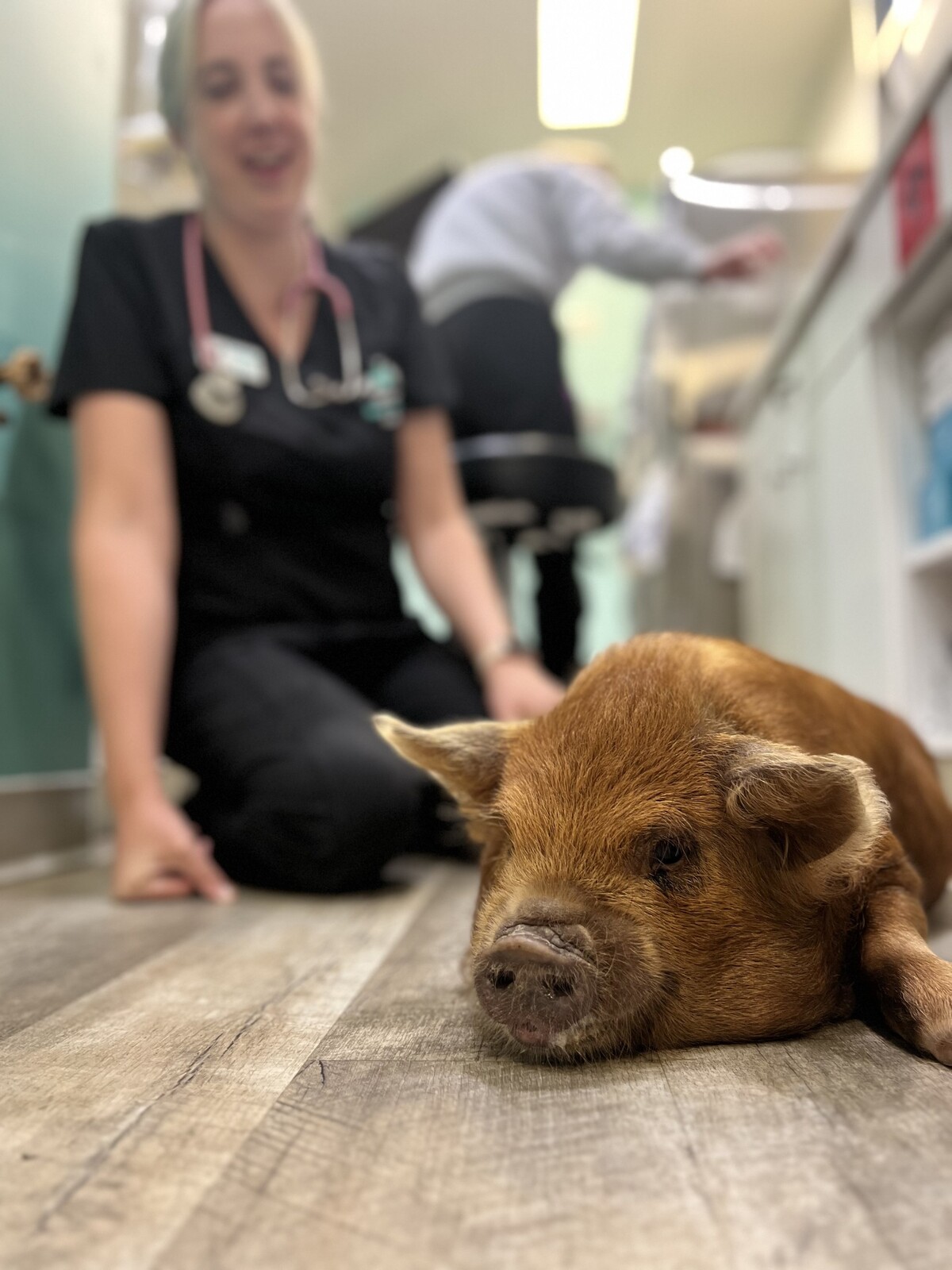
At Lebanon Small Animal Clinic, we welcome small companion exotics. Routine wellness visits help catch problems early, which matters most in species that are so skilled at hiding illness.
Fear-Free Handling for Sensitive Species
Exotic pets are easily stressed by unfamiliar environments and handling. Our Care Companions use calm, gentle techniques suited to each species, helping reduce the stress that can come with a veterinary visit. A low-stress experience supports more accurate exams and a better visit for these sensitive pets.
Routine Wellness Supports a Long, Healthy Life
Regular checkups help confirm that diet, habitat, and overall health are on track. Early detection is especially valuable for exotic pets, where small issues can become serious quickly. Our team offers guidance tailored to each species and stage of life, so you always have a trusted resource for your pet's unique needs.
Trust Your Exotic Pet's Care to Lebanon Small Animal Clinic
Exotic pets all deserve the same quality of care as any other member of the family. A routine wellness visit is the best way to confirm your pet is healthy, well-fed, and living in the right environment.
Our Care Companions provide species-appropriate exams, diet and habitat guidance, and gentle Fear-Free care for exotic pets of all kinds.
Schedule an appointment today to give your pet the specialized care they need!